Advisor Compensation: An Insider’s Perspective
Written by: Clinton Graham
|
CFA, CFP
Published: Apr 07, 2026
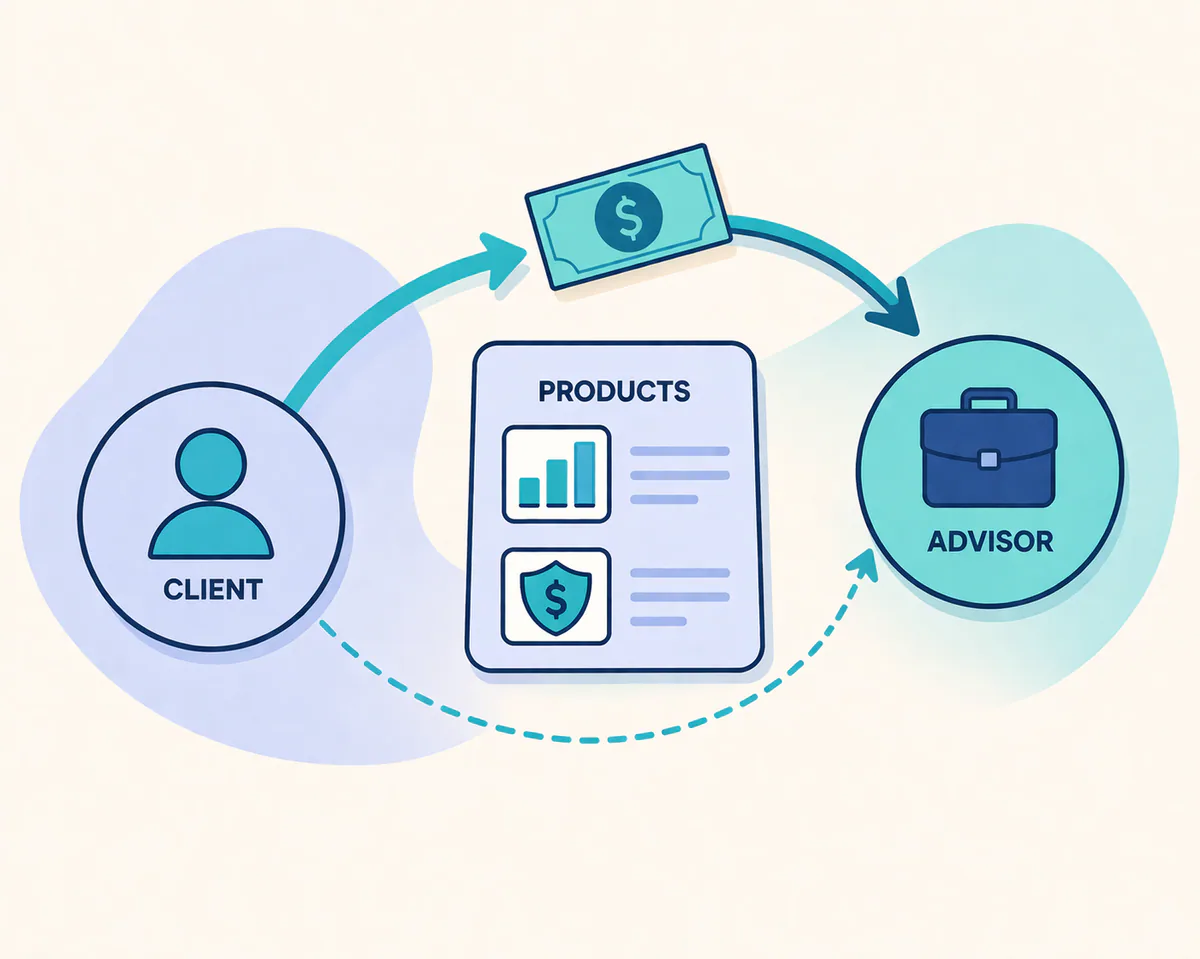
Financial advice isn’t free. But how you pay for it isn’t always obvious.
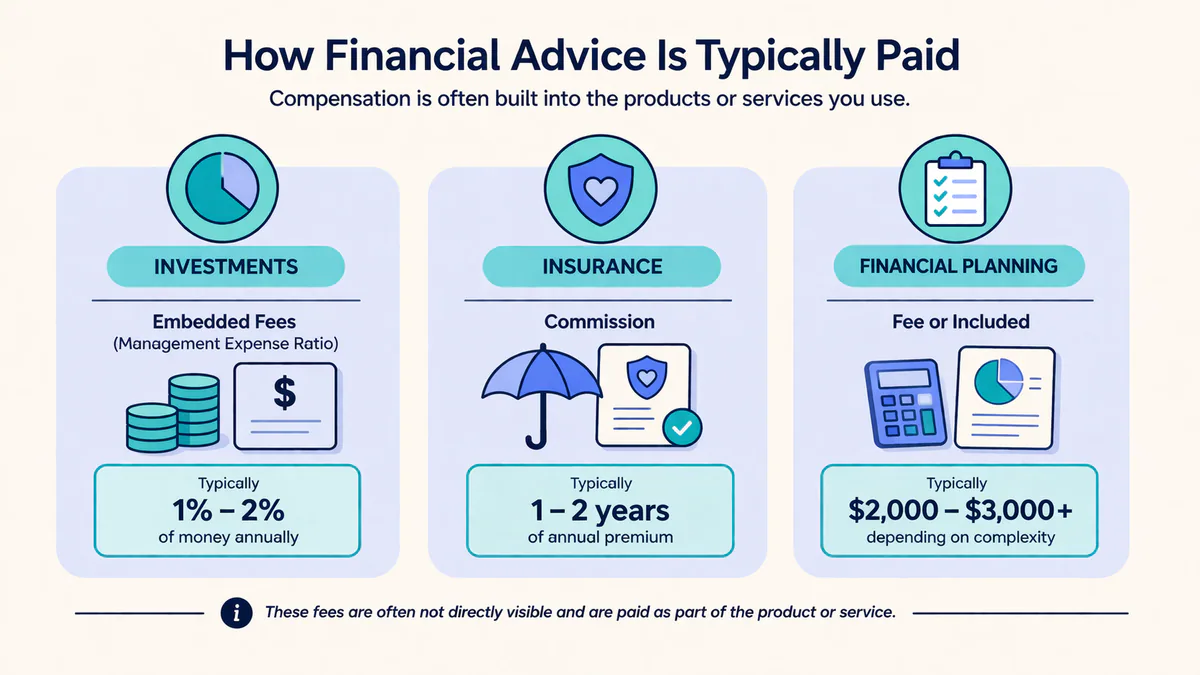
Most people don’t realize what they’re paying for financial advice. That’s because percentages aren’t as tangible as dollars, and the cost is often built into the products they use, rather than charged directly. The most common model is investment-based compensation. Advisors are typically paid through fees embedded in investment products like mutual funds. These fees are part of the total cost of the investment, often referred to as the management expense ratio (MER). In many cases, this totals around 1% to 2% per year, with a portion going to the advisor and the rest covering fund investment management and administration. In practice, advisors don’t typically receive that full portion. Compensation is often tied to a payout structure, meaning the advisor may only receive roughly 0.5% to 0.75%, with the remainder going to the firm. For as long as your money stays invested, those fees continue. There are other ways advisors can be compensated as well. If your advisor recommends insurance, they may receive a commission based on the premiums. This is often paid upfront and can be equivalent to one to two years of annual premiums. Financial planning may also be charged separately, or included as part of the overall service. When charged on its own, a plan can typically range from $2,000 to $3,000+, depending on complexity. Some advisors may also receive compensation through referrals to other professionals, such as mortgage brokers or accountants.
If you don’t know how your advisor is paid, it’s worth asking.
None of these approaches are inherently good or bad. But they do matter. How an advisor is paid can influence how advice is delivered, what products are recommended, and how decisions are made over time. If you don’t know how your advisor is paid, it’s worth asking. Because you are paying, one way or another. Understanding compensation isn’t about questioning intent. It’s about clarity. When you understand how advice is paid for, you’re in a better position to decide whether it works for you.
Written by Clinton Graham, CFA, CFP
Clinton Graham is the founder of JayPlans and brings over a decade of experience in financial planning and investment management.
Reviewed for financial planning accuracy by the JayPlans planning team.